
Now more than ever, students need a rich education that goes beyond academics to support their social and emotional needs.
Studies show that evidence-based SEL programs lead to improved academic performance and student behavior and yield an average return-on-investment of 11:1.
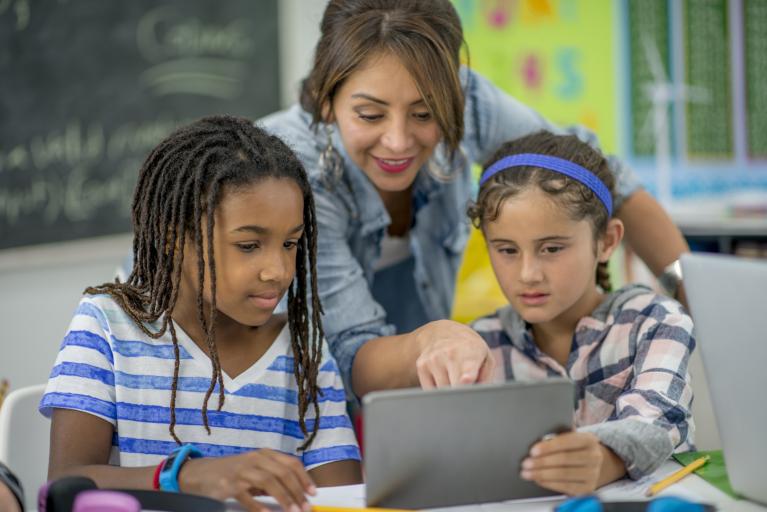
The power & promise of SEL
The evidence is increasingly clear that students benefit greatly from an education that goes beyond academics to foster their social & emotional development.
Bring SEL to your school community
Incorporating social emotional learning into your school’s curriculum requires a good deal of work. You’ll need to create a cultural shift in your school, provide staff training, and curate educational content vetted by experts to support students and families. But you don’t have to go about all this on your own.
Here are a few resources that can help you get started:
Professional development for school leaders & staff
Empower your educators with rigorous, research-backed professional learning on SEL — from introductory courses to multi-part programs aligned to CASEL competencies.
Michigan Cares
With support from the state of Michigan, the most comprehensive mental health and prevention education program and social emotional learning (SEL) programming is now available to schools and districts!
Adolescent Suicide Prevention
Blue Cross Blue Shield of Michigan, Michigan Elementary and Middle School Principals Association (MEMSPA), and Michigan Virtual have partnered to offer a series of five professional development courses about suicide prevention for adolescents.
An example of inspiring SEL leadership
Not sure where to start with creating a culture of SEL at your school? In this webinar, Dr. Joe Ricca, superintendent of White Plains Public Schools in New York, shares how he helped his school community embrace social emotional learning.
Take a deeper dive.
Because social emotional learning is so critical to student wellbeing, we've curated a variety of articles, podcasts, and videos on the topic from researchers and experts in the field. If you find these resources helpful, subscribe to the Digital Backpack to stay up-to-date on our latest tips & tricks for innovating student learning.
Related SEL Webinars
How to Build a Comprehensive SEL Program for Student AND Adult Well-Being, Session 3: Whole-School SEL & Mental Health
Session 3: Whole-School SEL & Mental Health | Participants will be able to define and brainstorm what whole-school SEL they will work to implement and reflect on how to make wh
How to Build a Comprehensive SEL Program for Student AND Adult Well-Being, Session 2: SEL Practices for Students
Session 2: SEL Practices for Students | Participants will be able to identify the connections between SEL, suicide prevention, and trauma-informed practices as well as why these to
More SEL Resources

A simple template for SEL check-ins
Using this simple template, our online instructors have learned a lot more about what’s going on in their students' lives, both sorrows and joys. This information can help teachers

Time for Teachers: Self-Assessment with Community Support as Individual Solutions
Educators often cite a lack of time as one of their most significant stressors. How can we help teachers find the balance necessary to feel satisfied in their jobs and meet their s

Time for Teachers: Agile Meetings and Short Pulse Surveys as Systemic Solutions
Educators often cite a lack of time as one of their most significant stressors. How can we help teachers find the balance necessary to feel satisfied in their jobs and meet their s
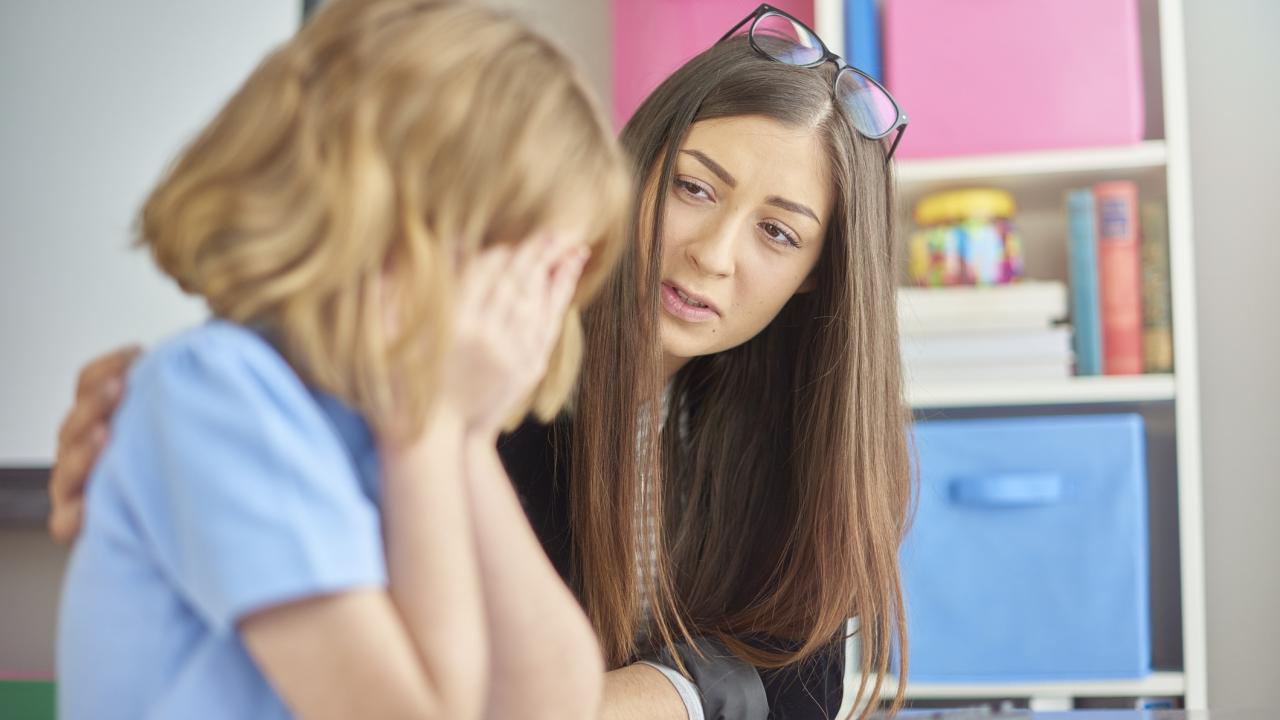
8 go-to SEL tools for teachers
Social emotional learning — also known as “SEL” — is a component of education that addresses the traditionally non-academic side of student development and learning.The idea is tha

Do You Encourage Stigma?
It’s time to break through the stigma that comes with needing help to cope with mental and emotional challenges. Robust social-emotional learning programs can teach students, staff

How to Help Foster Self-Awareness in Students
Self-awareness is a skill that many adults, let alone kids, struggle with. Fortunately, however, this skill can be cultivated in youth with the right social-emotional support—and s