
From Simple Squares to Sweaters: How One Teacher Uses Crochet to Build Confidence
Meet Erica Gorzen:
2026-2027 Region 3 Teacher of the Year
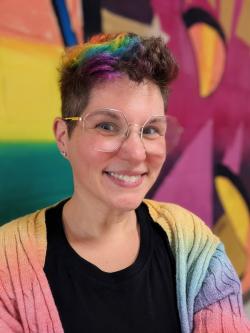
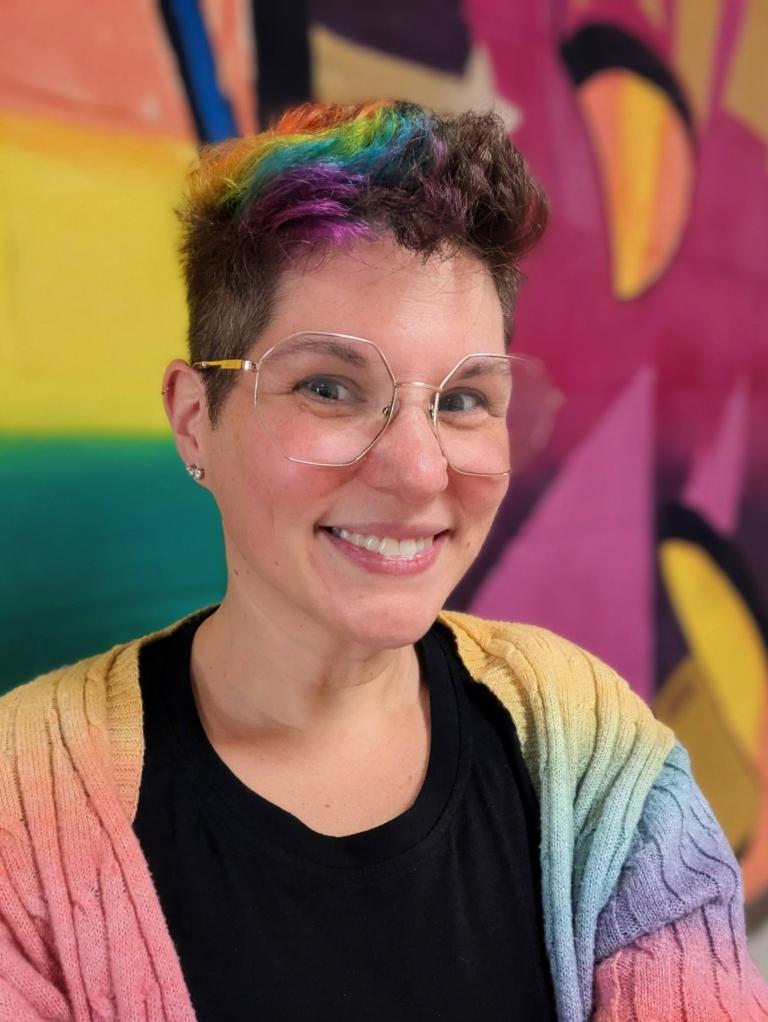
Every year, exceptional educators across Michigan go above and beyond for their students, and this year, Erica Gorzen stands out among them. As the 2026-2027 Region 3 Regional Teacher of the Year, Erica brings 19 years of experience to her classroom at Portland High School, where she teaches art from 9th to 12th grade.
What sets Erica apart is her commitment to student choice. Whether her students are learning to crochet a simple square or tackling a more advanced project like a sweater or stuffed toy, Erica gives them the freedom to choose their own path and the support to succeed. In this interview, she shares how choice-based learning builds confidence and independence in her students, why relationships are at the heart of great teaching, and what she wishes she had known earlier in her career.
Your Biography
How long have you been teaching?
19 Years
What grades and/or subjects have you taught?
DK-12 in Art and 6-12 in Computers
What do you love about teaching?
I love seeing the students grow and learn. It is amazing to see them push through struggles, get inspired, try new things, and connect with the variety of things that I can share with them.
Tell us about any of your interests outside of the classroom.
Outside of school, I enjoy spending time with my family, crocheting, and running.
Your Favorite Lesson or Strategy
Why is it important?
The structure of my lessons is based on choice, which gives students ownership of their learning. I have had many students willing to try more difficult tasks because they were inspired and motivated to create them through their own choices. Creating safe spaces that give students the confidence to try things, even as they fail along the way, allows for more authentic learning.
What are your students doing that makes it stand out to you?
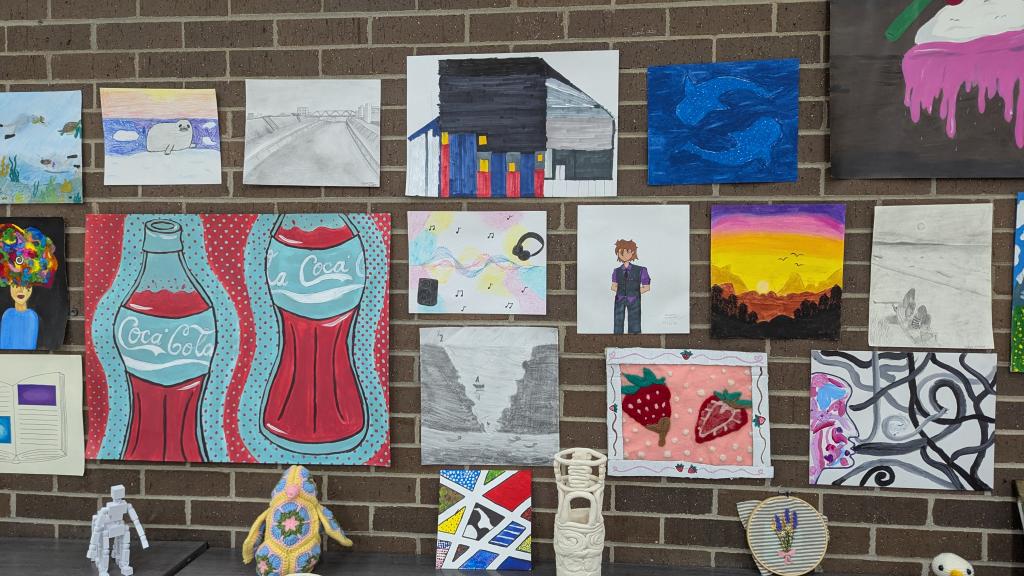
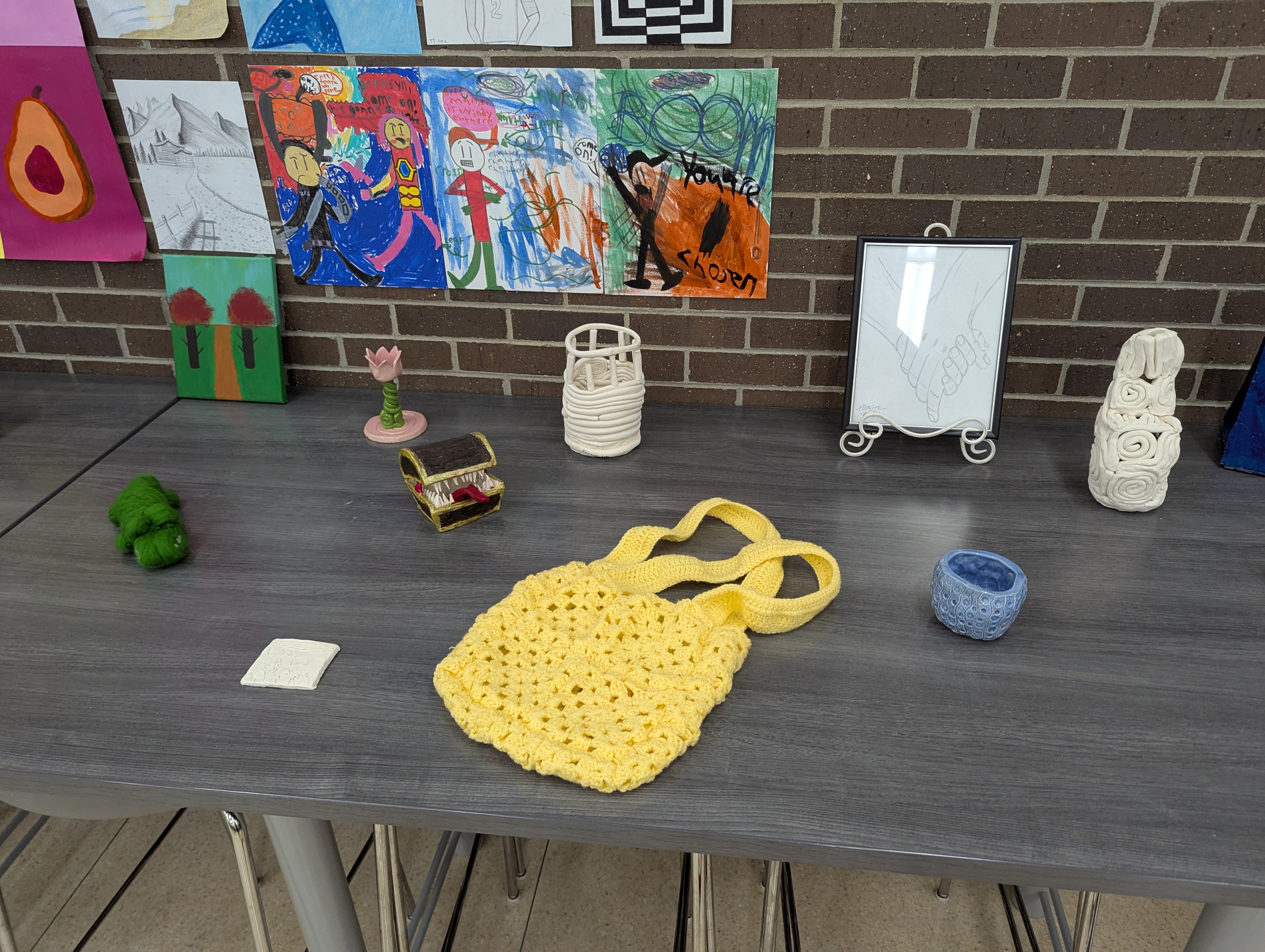
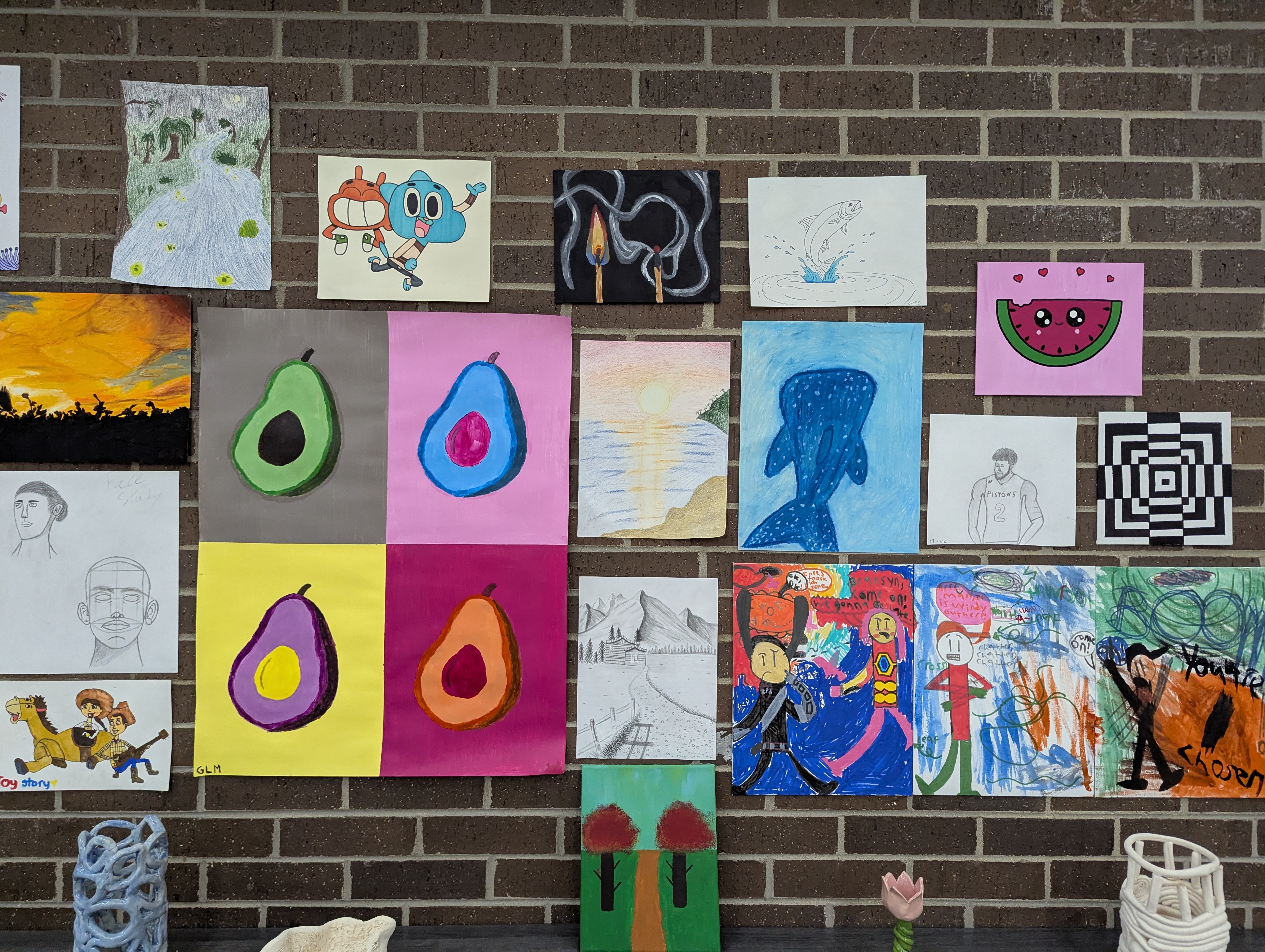
One example of a choice lesson from my Fibers class is on crochet. For their output, students can choose an end-of-project that matches their level of understanding. I have had students just learning the skill make simple squares as their success piece, and students who have learned the skill previously create sweaters and stuffed toys, which carry their own level of learning complexities. Students struggle with learning the technique and then are able to employ it in whatever type of work they want to create. I have students who push themselves to learn to crochet and then want to learn to crochet in the round, which is a more complex skill. I have seen students succeed in their own way while learning these skills. They may not see it as a success, but they have succeeded because they can create something they couldn't before the lesson started.
 Is there a brief story that you could share about this lesson or strategy?
This strategy has exposed my students to a variety of new techniques, artists, and art projects. With the teaching strategy I employ, students create challenges for themselves that I have not tried before. It is exciting to help them learn new things I have not learned myself, and we work together on those skills. Often, because of the challenges they set for themselves, they persevere with my guidance, but not as a master of the skill they are learning. They become the master. I have had students learn new stitches or patterns that they then share with their peers. The students then help teach their peers the technique without my guidance. It is exciting to see them grow in confidence, leadership, and artistic abilities.
 How might another educator replicate this lesson or strategy in their classroom?
I set up the lessons with an introduction to the topic, connect with artists who work in the field, and then give them options so they can take the project in their own direction. They have a choice of starting area (either research or goal setting), practice the skill, choose an output, and finally reflect on their learning. This process allows students to go in a variety of ways, allows one-on-one conversations about their learning choices, and gives students an opportunity to try new things in a safe environment. Other educators can employ this technique by offering different output options within their lessons, depending on what information they are trying to assess. They can allow students a chance to choose the direction they want to take their learning. There are so many resources available to help teachers and students learn and demonstrate knowledge that this process can open up a fun new way to create educational experiences for everyone. Depending on the content, finding ways to give students more ownership can be advantageous!
Your Advice
What piece of advice would you share with other educators?
Building relationships is key, not just with students but with the community and peers. Throughout my career in education, I have built relationships with everyone, and those relationships have helped guide my teaching, connected me to the community, opened opportunities for my students and me to participate in, and enabled more authentic educational experiences. From the janitors and maintenance crew to the students, parents/guardians, business owners, city council members, etc, all of these relationships are important. With these connections, I have been able to get things for my students from as small as extra paper towels in the classroom and as large as creating a community mural that was on display for several years. Being part of the school community and the broader community offers many opportunities and richer educational development.
Is there something you wish you had known earlier in your career?
When I first began teaching, I was consumed by perfectionism and often took on too many challenges, leading to burnout and an unhealthy work-life balance. I would constantly bring things home and do work outside the classroom, which was a drain on my personal time. As I have grown in my education, I can reflect that, yes, I was doing things for the students and making sure they had all the opportunities I could give, but it was affecting my work-life balance. Over time, I have realized that while providing students with every possible opportunity is important, maintaining my own well-being is equally essential. I have now learned to manage my workload effectively without letting it overwhelm me. I now recognize that while teaching is a core part of my identity, I am a more successful educator because I also honor my roles as a mother, wife, artist, and individual, things I should have been considering at the beginning of my career.
Share Your Strategy, Get Spotlighted
Erica’s story is a reminder that great teaching often starts with a willingness to let students take the lead. Her choice-based approach, paired with a deep commitment to building relationships, has shaped a classroom where students grow in confidence, creativity, and leadership, all while learning skills that extend far beyond the curriculum.
Do you have a favorite lesson or strategy that gets your students excited to learn? We would love to hear about it. Take our MiStrategies: Success in Michigan Classrooms course, earn SCECHs, and you could be the next educator we spotlight.

Erica Gorzen
Art Teacher at Portland High School
Erica Gorzen currently teaches art at Portland High School, with 19 years of experience in education. She teaches art from 9th to 12th grade in a variety of topics. Erica is passionate about giving her students ownership of their learning through choice-based lessons, and she is recognized as the 2026-27 Michigan Regional Teacher of the Year for Region 3 for her dedication to her students and community. Outside of the classroom, Erica enjoys spending time with her family, crocheting, and running.
Related Posts

Build Trust, Boost Autonomy, & Design Smarter Check-Ins With Students
Strong student relationships don't happen by chance. They happen by design. Discover how structured check-ins can build trust, strengthen student autonomy, and help you create more student-centered learning experiences. Plus, access a free template or earn a SCECH while creating a check-in routine for your classroom.
Revisiting the 5:1 Ratio: Reflecting on a "Magic" Ratio Just Too Tidy to be True
A popular idea in education holds that teachers should aim for five positive interactions for every one corrective one. It spread quickly, cited widely, and seemed to just make sense. There was only one problem: the research behind it was never really about teaching at all.
Everyone Has a Story
Learn how one Michigan educator helps students connect with each other and with the power of storytelling. Back when I began teaching...

Street Data and Empathy: Revealing What Educators Truly Want from Professional Learning
What do educators actually WANT out of their professional learning experiences? This is a question my colleague Danielle, who contributed...

A Framework for Empathy: 3 steps leaders can follow to center educators’ Needs and Wants
Part 1 of this blog series digs into the results of a survey on what educators need and want from their professional learning experiences. Here in Part 2, we show you the framework we used to create and conduct the survey as well as provide you with ideas for implementing this framework in your own context. Special thanks to my colleague, Danielle Peck, who contributed significantly to this study and the writing of these blogs.

Mastering the email game: Three hacks for getting students to ACTUALLY read & reply to your emails
Discover the art of successful email communication with students. By following these three proven email hacks, you’ll stop sending emails that result in crickets and instead create authentic, engaging digital communications that foster rapport between you and your students.